
Riding a motorbike in Thailand is one of the best ways to explore the country. It’s cheap, convenient, and lets you experience Thailand like a local.
But to make sure your trip stays fun and stress-free, it’s important to follow the rules and stay safe on the road. Here’s everything you need to know to rent and ride a scooter in Thailand legally (and enjoyably!).
Why Rent a Motorbike in Thailand?
Motorbikes are the ultimate travel hack for getting around Thailand. They’re:
- Affordable: Renting one costs way less than hiring a car or using taxis all the time.
- Fast: Skip traffic jams and get to places much quicker than public transport.
- Fun: Let’s be honest—there’s nothing like the feeling of riding through the tropical breeze with stunning views all around you.
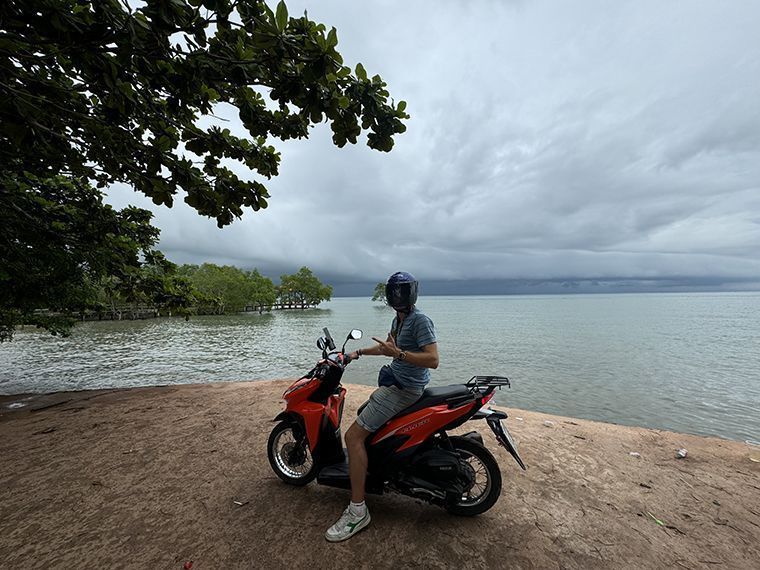
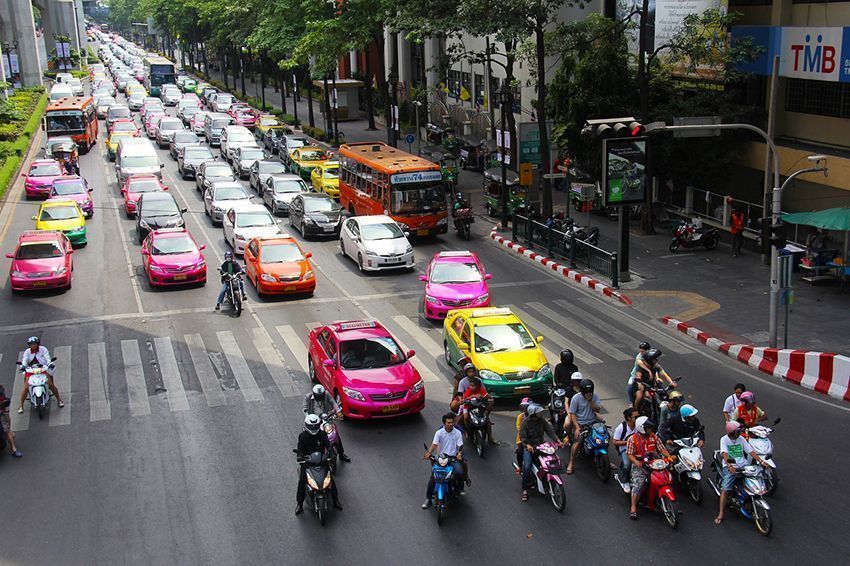
That said, I don’t recommend renting a scooter in Bangkok. The traffic there is chaos on steroids. Instead, use public transportation like the BTS or MRT, or hop into a taxi or motorbike taxi for short distances.
Do You Need a License to Ride a Motorbike in Thailand?
YES, you absolutely need a valid International Driving Permit (IDP) with a motorbike endorsement to rent and ride a scooter legally in Thailand. Without it, you could get fined on the spot or, worse, invalidate your travel insurance if you get into an accident.
So, make yourself a favour and bring always the International Driving License with you. Even if you only have a scooter license from your own country, you can still be fined and required to visit the police station.
Getting an IDP is cheap and easy in most countries—so sort that out before your trip!
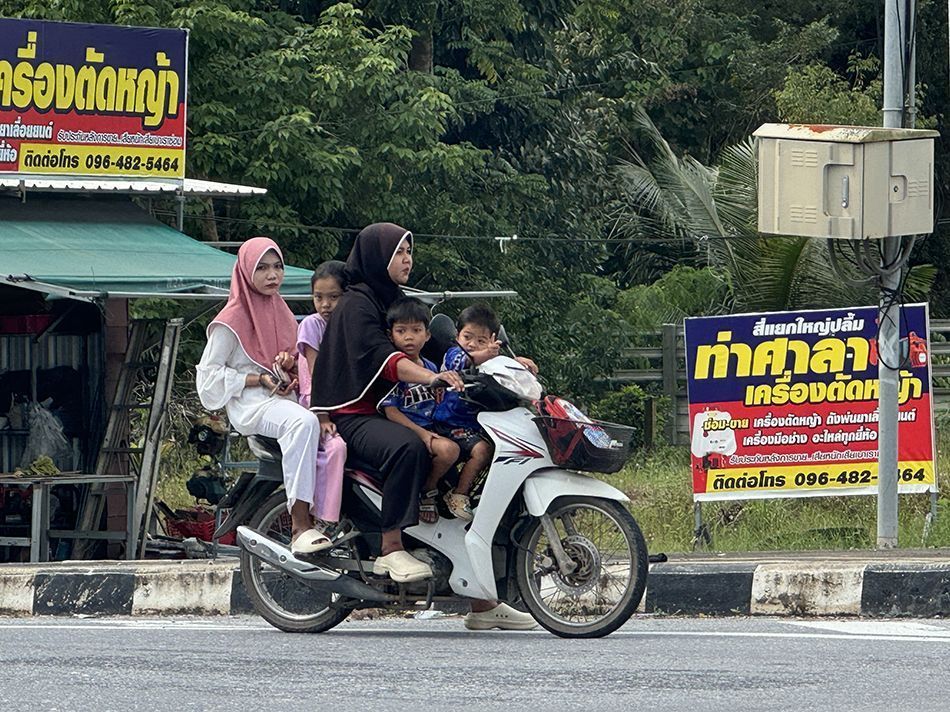
Can foreigners rent a Motorbike in Thailand?
Yes! To rent and ride a motorbike in Thailand, you’ll need a valid driver’s license. Additionally, your regular driving license should be accompanied by an International Driver’s Permit (IDP) or a motorcycle license from your home country.
Is It Safe to Ride a Motorbike in Thailand?
It can be dangerous if you are not familiar with motorbikes. Here’s the thing: it can be safe if you know what you’re doing. But Thailand’s roads aren’t exactly beginner-friendly.
- If you’re not experienced with motorbikes or scooters, I’d recommend sticking to other modes of transport.
- Thai drivers are… unpredictable. They might not signal, switch lanes suddenly, or drive on the wrong side of the road (yes, that happens).
But don’t worry—if you follow the tips in this guide, you’ll be miles ahead in staying safe.

Are Motorbikes Popular in Thailand?
Motorbikes are everywhere. They’re the go-to transportation for locals and travelers alike because they’re:
- Cheap to rent
- Easy to park, even in crowded areas
- A lot more practical than cars in Thailand’s traffic
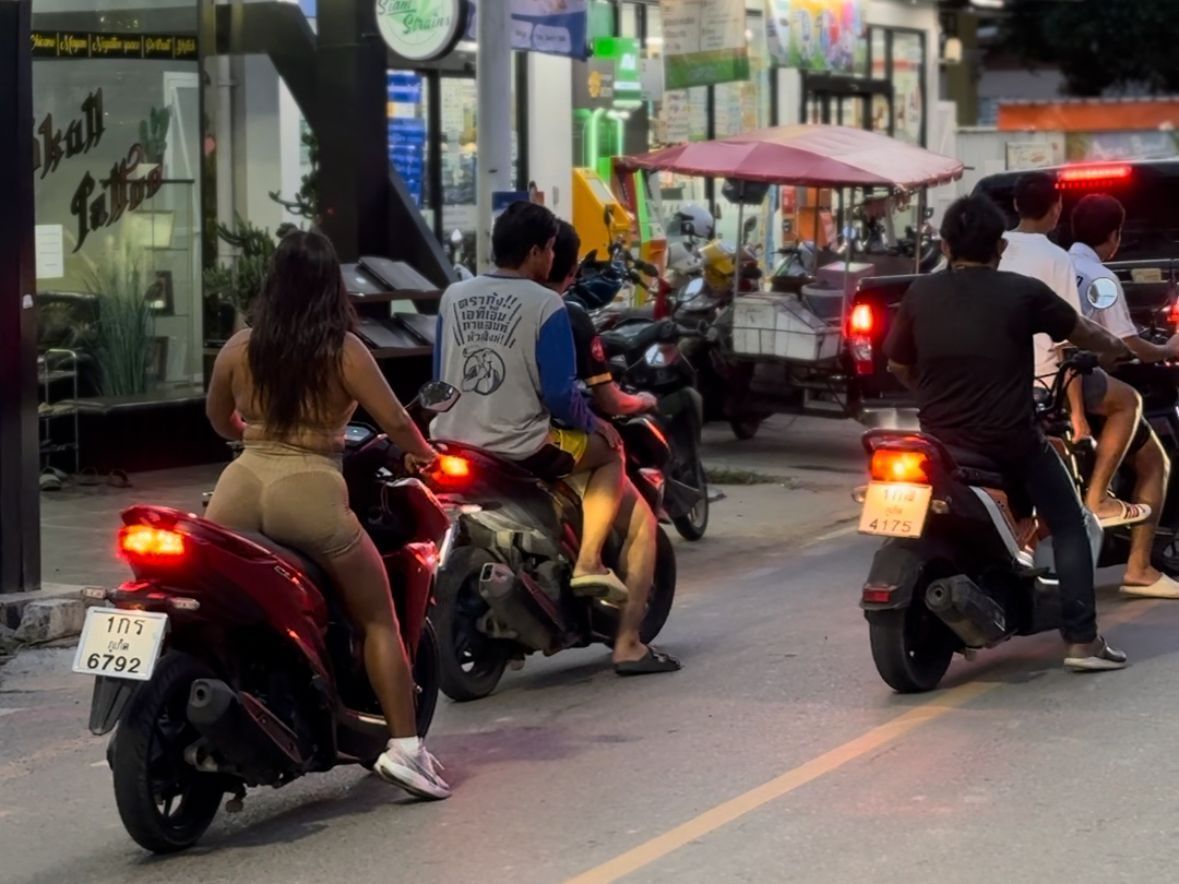
What Does a Motorbike Cost in Thailand?
Renting a scooter is budget-friendly. Here’s a breakdown:
- Daily rental: 150–350 THB ($5–$12)
- Monthly rental: 3,000–5,000 THB ($85–$140), depending on the location and model
- If you’re buying, brand-new scooters start at around 40,000 THB ($1,100), while a second-hand one goes for about 15,000–20,000 THB ($420–$560).
Tips for riding a Motorbike in Thailand Safely
1. Know the Rules
- Drive on the left-hand side (it’s opposite for some countries!).
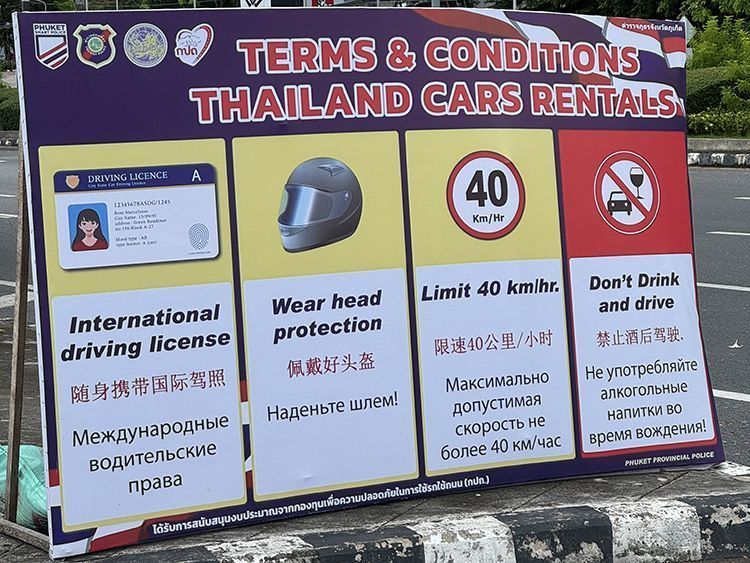
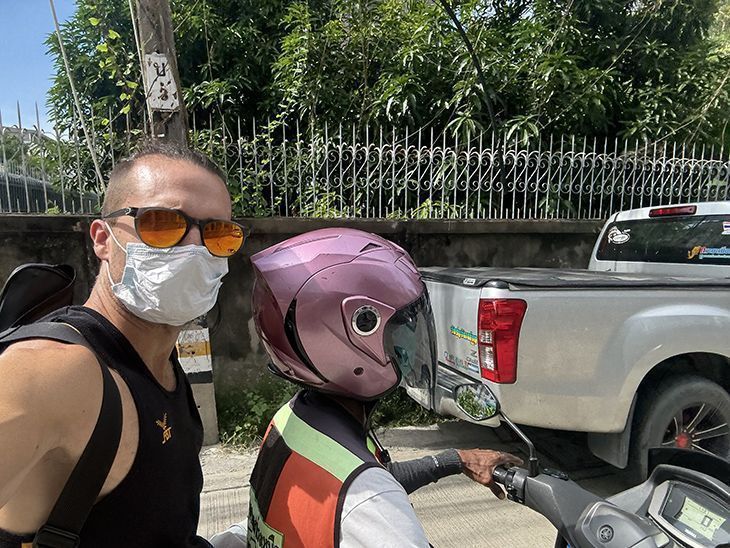
- Always wear a helmet—this is non-negotiable. Not wearing one can land you a fine, and it’s just not worth the risk.
- Carry your license (IDP) at all times. Police love roadside checks.
2. Phuket-Specific Tips
If you’re in Phuket, here’s what you need to know:
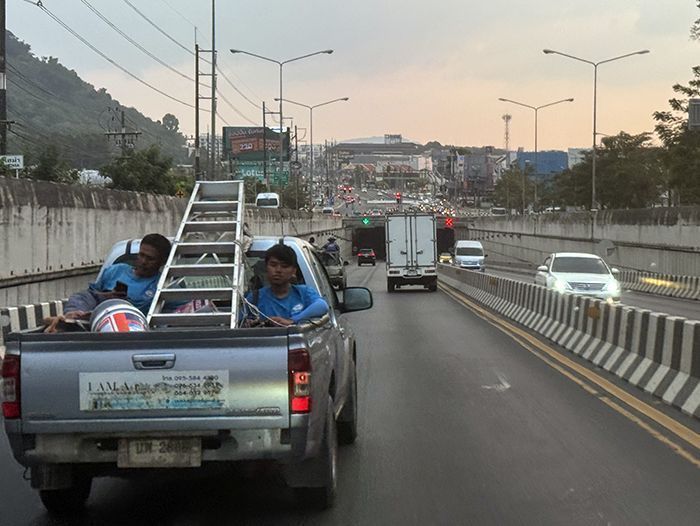
- Underpasses are off-limits for scooters: You could be fined up to 2,000 THB for riding through one.
- Stick to 40–80 km/h depending on the traffic. There’s always something happening on the road—stray animals, jaywalkers, or even coconuts falling!
- Watch out for drivers who don’t signal or suddenly stop. Assume no one is following the rules but you.
3. Parking Rules in Thailand
Parking in Thailand can be tricky, especially in touristy areas. Avoid parking next to:
- Red and white striped curbs
- Yellow-painted zones reserved for taxis or public transport
If you park illegally, your motorbike might get clamped. You’ll need to pay the fine at a police station to get it unlocked. Luckily, there’s usually an ATM nearby for such “emergencies.”
4. Turning Left on Red Traffic Light
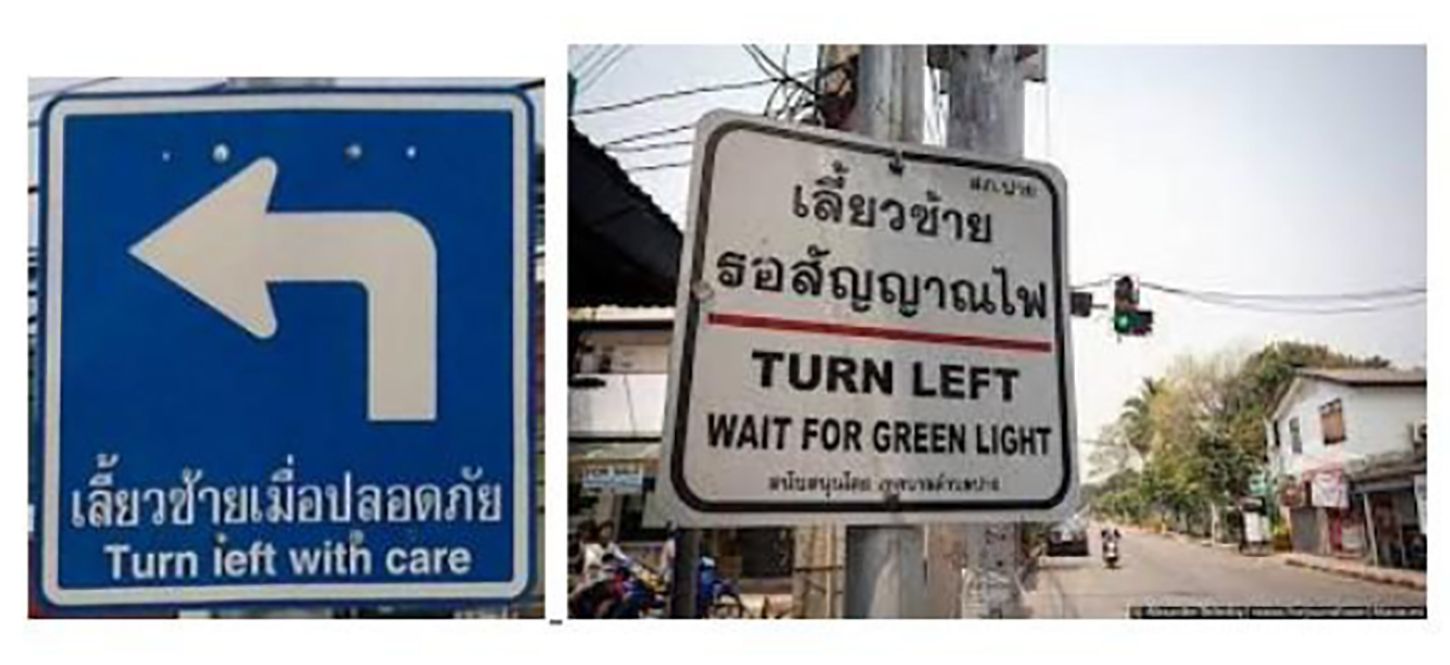
One thing that confuses a lot of tourists is the “Turn Left on Red” rule. At some intersections, you’re allowed to turn left even if the light is red. If you see a sign in Thai that says “liaw sai paan ta lot” (turn left with care), you’re good to go.
5. Ask for a Phone Mount When Renting a Motorbike
When renting a Motorbike in Thailand, one small but super useful tip is to ask the rental shop for a phone mount. Many rental places have them available, and trust me, it makes a world of difference! Having your phone securely mounted makes navigating with maps so much easier and safer, especially on unfamiliar roads.
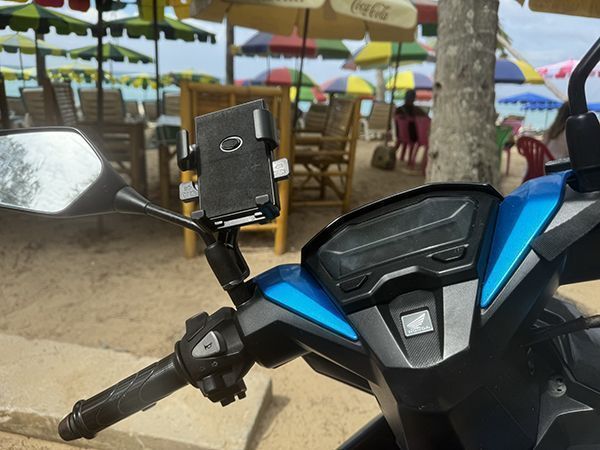
It’s a quick and simple addition that they can usually install on the handlebars in just a minute. Don’t hesitate to ask—it’s a game-changer for smooth and stress-free scooter adventures!
Drinking and Driving in Thailand
Just don’t do it. The penalties are serious if you get caught:
- Fines between 5,000–10,000 THB
- Possible arrest and court proceedings
It’s just not worth the risk. Use a taxi, Grab, or Bolt if you’re heading out for drinks.
Other Useful Tips for Riding a Motorbike in Thailand
1. Check the Weather
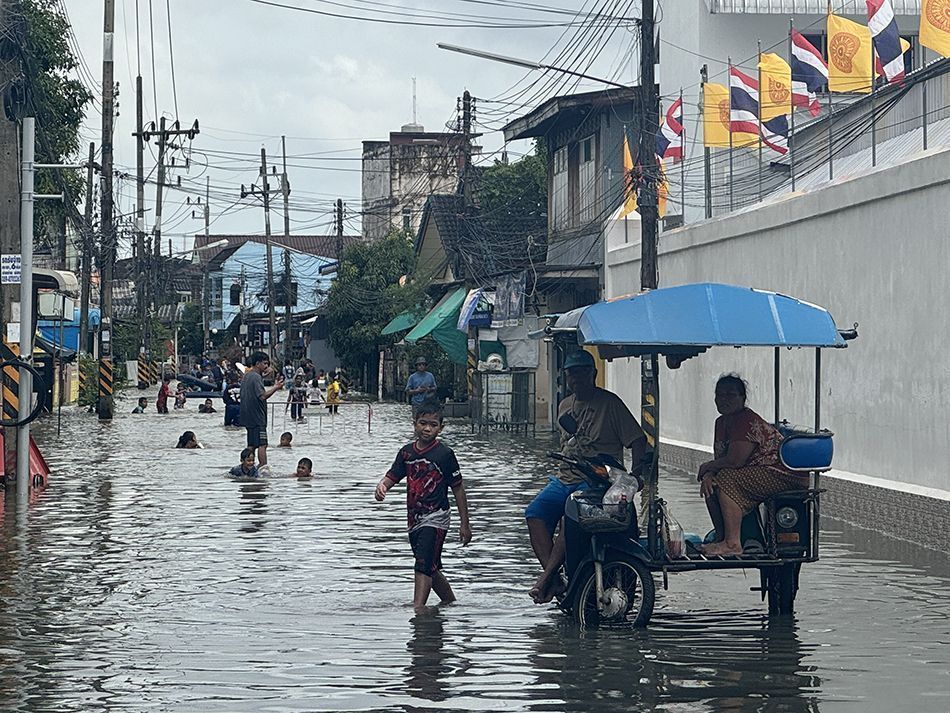
Thailand’s tropical weather can be unpredictable. So, always bring a plastic raincoat; you can buy one at 7-Eleven or similar shops at a cheap price. Remember to keep one in the scooter’s trunk. You’ll regret not having it, especially during the rainy season.
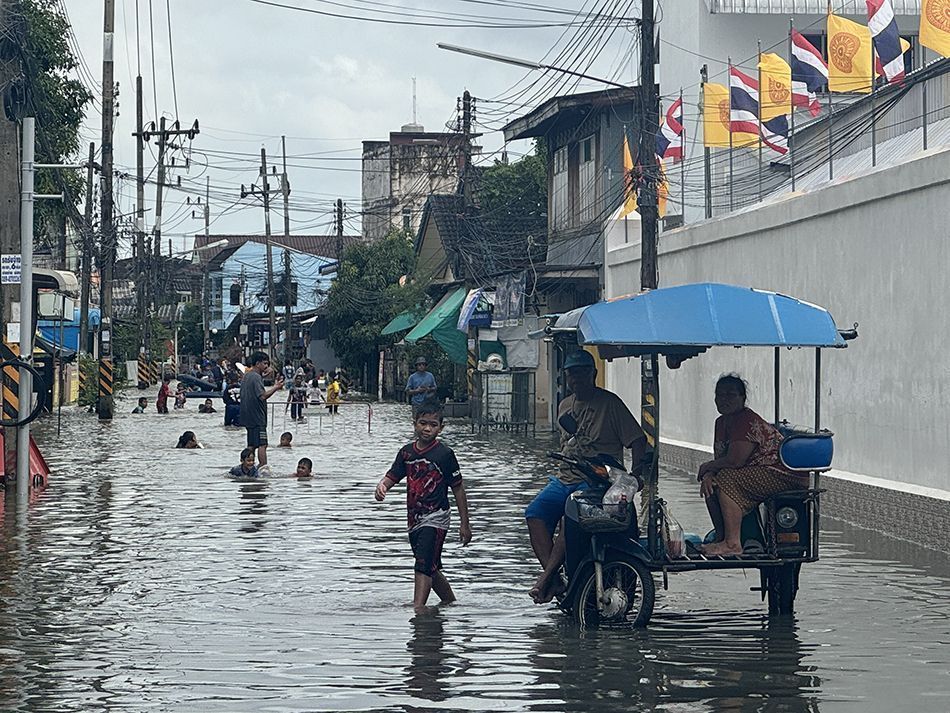
It can happen that you’ll have to wait somewhere for a while because it’s raining like crazy, the roads are flooded, and there’s no way you can ride.
2. Take Photos Before Renting
When you rent a scooter, take photos and videos of the entire vehicle from all angles. This will save you from unfair charges for damages you didn’t cause when returning it. Personally speaking, I have never had a bad experience, but be cautious.
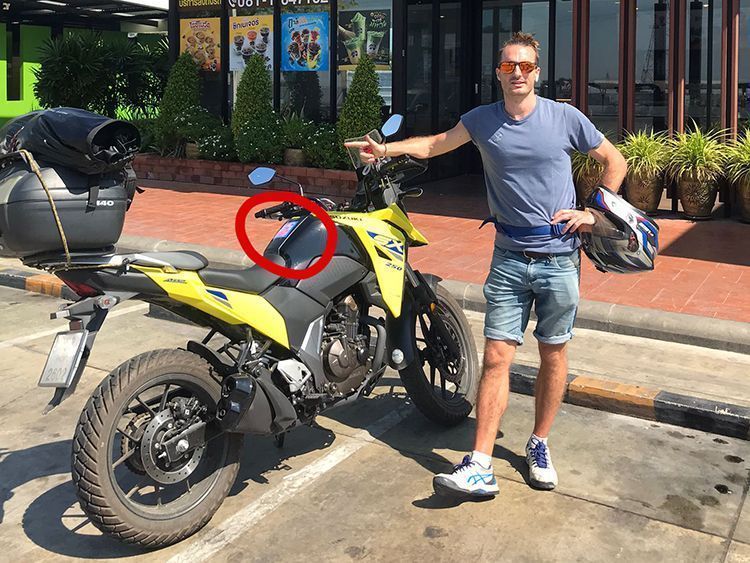
3. Be sure you have the Registration sticker
Once, I rented a Scooter in Phuket, and the Motorbike Registration sticker was missing. The rental place had made a mistake and forgot to include the sticker (usually located inside the trunk of scooters but sometimes on the outside).
A few weeks later, a police officer pulled me over and pointed out that I didn’t have the «famous scooter sticker.» As a result, I had to follow him to the police station.
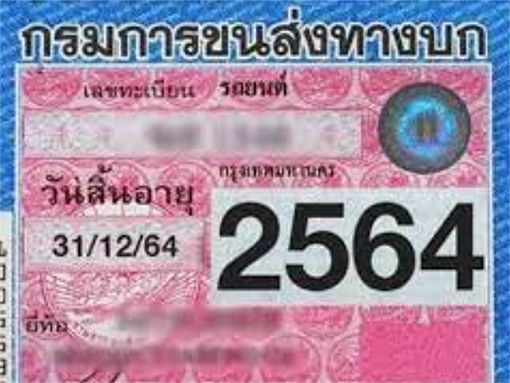
After wasting time dealing with the situation, we agreed that I would pay the fine—around 1,500 baht, if I remember correctly.
The rental company assured me they would reimburse me once I returned the scooter. So, make sure to check that the sticker is present before leaving the rental place!
4. Keep the passport with you
When renting a Motorbike in Thailand, you will need to leave a deposit (typically between 2,000 and 5,000 baht) or hand over your passport as collateral.
They can photocopy your passport easily. It’s important to remember that your passport is the most crucial document you have while traveling. If you lose it, you may need to visit your embassy, file a police report, deal with a lot of paperwork, and potentially ruin the rest of your trip.
To avoid this hassle, it’s better to withdraw some cash for the deposit. You’ll get it back when you return the scooter.
5. Gas Up Smartly
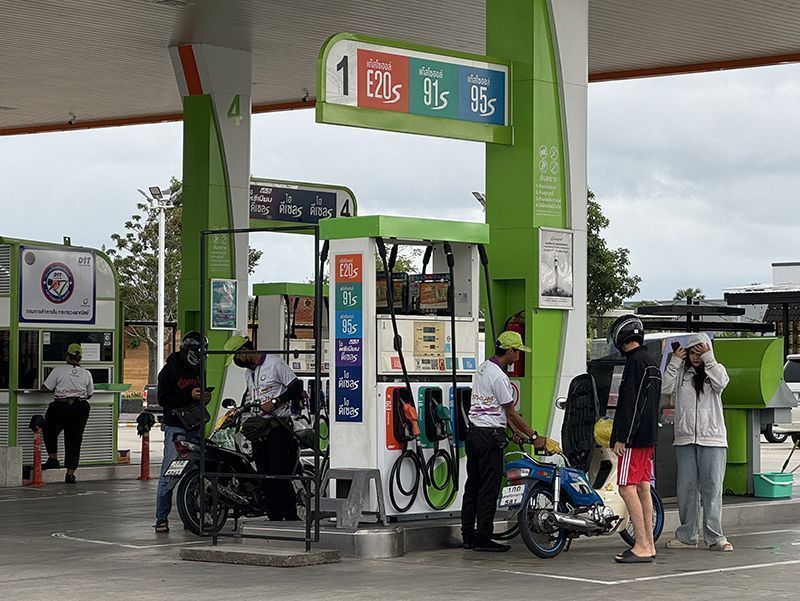
Motorbikes in Thailand use 91 or 95 gasoline. Make sure to return the bike with the same amount of fuel as when you rented it—check your rental agreement for details.
Most petrol stations in Thailand have attendants who pump the fuel for you. Just drive up to the pump and tell the attendant how much you’d like to pay — or simply say the magic words: «Full, please.»
6. Rural Roads Can Be Risky
If you’re heading out to explore Thailand’s rural areas like Chiang Rai, be extra cautious. Roads can be narrow, winding, and poorly lit at night.
Additionally, it’s common to encounter potholes and uneven surfaces, especially in less-traveled areas. During the rainy season, some roads can become flooded, making them slippery and harder to navigate.
Drive slowly, stay alert, and always keep an eye out for unexpected obstacles like loose gravel, animals crossing, or sudden dips in the road.
What’s the Best Type of Motorbike to Rent in Thailand?
Renting the right motorbike can make your travels around Thailand both convenient and enjoyable. From my experience, riding an automatic scooter is the best option. It’s user-friendly, easy to handle, and readily available at rental shops across the country.
Engine Size: Picking the Right Power for Your Adventure
- City streets, countryside, and islands: A 125cc scooter is usually sufficient, even if you’re carrying a passenger. It offers a great balance of power and fuel efficiency, making it ideal for everyday travel.
- Mountainous or steep areas: If your trip involves hilly destinations like Northern Thailand, opt for a scooter with at least 150cc to navigate steep climbs with ease.
Recommended Motorbike Models
- Honda Scoopy 110: A good choice for solo city rides or short trips. It’s compact, fuel-efficient, and sometimes more affordable to rent. However, it’s not ideal for steep roads or carrying two passengers.
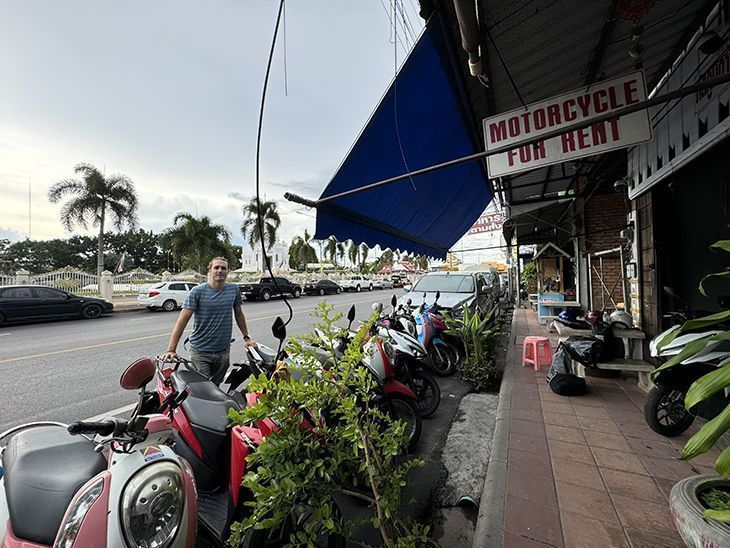
- Honda Click 125: My personal favorite. It’s versatile, reliable, and handles a variety of terrains well, from flat streets to mild inclines.
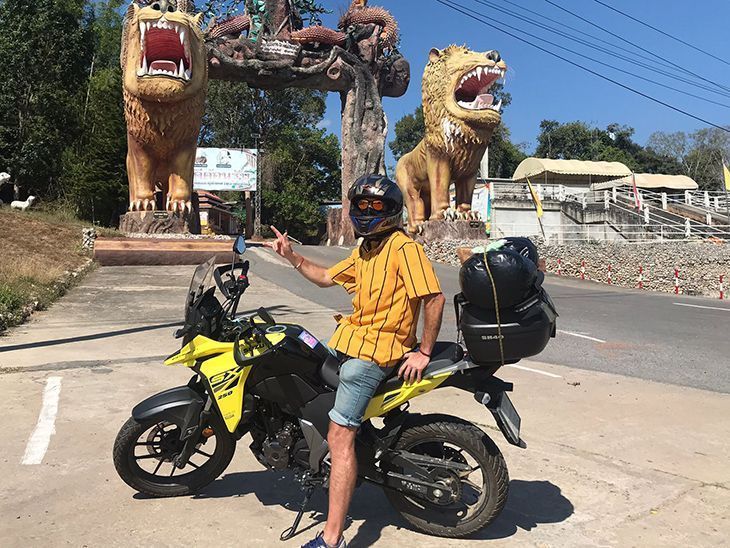
- Suzuki V-Strom 250: If you’re planning a long road trip, like the five-day journey I took from Bangkok to Isan, this model is fantastic. It’s powerful, smooth, and perfect for covering long distances comfortably, even on challenging roads.
Where to Rent a Motorbike in Thailand? (by cities)
Phuket Motorbike Rentals
- Diamond Phuket Airport: If you’re flying to Phuket and need a scooter near the airport, this is the best option. Located just a 5-minute walk from the airport, I rented a Honda Click 125cc for 3,500 baht for 1 month. The scooters are in excellent condition, and the rental process is quick and easy.
- PRC Travel Services and Tour: Conveniently located inside Phuket Bus Terminal 2, this rental shop is perfect if you’re arriving by bus. The owner, a friendly Muslim Thai woman, ensured a smooth rental experience. However, If you’re planning to rent a scooter for more than a week, it’s better to look for another place, as she doesn’t offer significant discounts for long-term rentals.
Khao Lak Motorbike Rentals
- No. 1 Motorbike Rental Khao Lak: I’ve rented from this shop multiple times, and it never disappoints. The scooters are well-maintained, and their transparent pricing ensures a stress-free experience.
- Mr. Taxi Khao Lak – Motorbike & Bicycle For Rent: Located near the bus station, this shop offers high-quality scooters and bicycles. The staff are incredibly friendly, and they go the extra mile to ensure you’re comfortable with your rental.
Surat Thani Motorbike Rentals
- Motorbike Rentals Surat Thani (เช่ามอเตอร์ไซค์ สุราษฎร์ธานี): Located not far from the bus station, I rented a scooter from here to explore the city and its surrounding areas. The scooters were in great condition, the prices were affordable, and the rental process was hassle-free.
Nakhon Si Thammarat Motorbike Rental
- Motorbike Rental NST by TC Motor
They offer 125cc scooters from 350 baht/day or 2,000 baht/week. The service is great, the scooters are well-maintained, and the location is convenient — right on the same street as the train station. - Norm Space Hostel Museum Community Center: Located in the heart of Nakhon Si Thammarat, motorbikes can be rented for 300 baht per day. Free bicycles are also available for guests. I also recommend visiting the place for a coffee, even if you’re not a guest—you won’t regret it!
Nonthaburi Motorbike Rental
- Mvix Motorbike Rental Bangkok: I rented a Suzuki V-Strom 250 from this shop for a five-day road trip to Isan. The shop offers a selection of big motorbikes, making it an excellent choice for long journeys The bike was in perfect condition for the trip. and even had extras like a trunk and gloves. «G» the owner has different kinds of bikes like: Honda CB300R, CL300, Honda REBEL 300, HONDA CB500X… but it’s better to check directly with him.
Chiang Mai Motorbike Rental
- Siri Motorbike Rental: Conveniently located near the city center, this rental shop stood out for its reliable scooters and helpful staff. My rental experience here was smooth, and I had no issues during my stay in Chiang Mai.
Chiang Rai Motorbike Rental
- ST Motorcycle & Car Rental: I’ve rented from this shop several times, and they consistently deliver great service. They even offer the convenience of delivering the scooter directly to your hotel.
Should You Rent a Motorbike in Bangkok?
Nope! I don’t recommend riding or renting a scooter in Bangkok.
Bangkok’s traffic is legendary—for all the wrong reasons. The city is packed with better options like:
Tuk-tuks are fun for the experience, but they’re overpriced, so don’t rely on them for regular transport.
Motorbike Accidents in Thailand
To avoid motorbike accidents in Thailand, stay vigilant, anticipate the unpredictable actions of other drivers, and always follow traffic rules. Slippery roads during the rainy season make it even easier to lose control or collide with someone.
It’s common to see Thai locals riding without helmets, leading some foreigners to think, “If they don’t wear one, I don’t need to either.”
Don’t fall into that trap—Thailand’s private hospitals are great, but trust me, you’d much rather admire them from the outside than as a patient. And I guess you don’t want to call your travel insurance to tell them you’ve broken your leg or arm. Stay safe, ride smart, and always wear your helmet!
Final Thoughts
Renting a scooter in Thailand is one of the best ways to experience the country. It’s cheap, adventurous, and gives you the freedom to explore places you might not see otherwise. Just remember to follow the rules, take it slow, and always stay aware of your surroundings.
I’ve rented dozens of motorbikes across Thailand, and it’s been a blast every time. If you’re prepared and careful, you’re in for an unforgettable ride!
Remember, these are just tips to help you drive safely in Thailand. It’s ultimately up to you whether you follow the rules or not. However, don’t be reckless—respect the rules, just as you would in your own country.
I can see the hard work you’ve put into this. It’s paying off beautifully. This reminds me of the time we talked about your goals. you’ve come so far, congratulations.
Thanks Rose, good luck with your projects 🙏
Good post Edu!
It gave me some cool ideas I need to write about! Good to see you on the pictures too 😉
Thanks Mike 🤙